
Oral Hygiene & Periodontal Care
Preventing disease. Protecting your smile. Supporting your whole body

- SAME-DAY APPOINTMENT ARE AVAILABLE
- NEW PATIENT SPECIAL OFFER
- INSURANCE ACCEPTED
Oral Hygiene Is More Than “Just a Cleaning”
What Happens During a
Professional Hygiene Visit
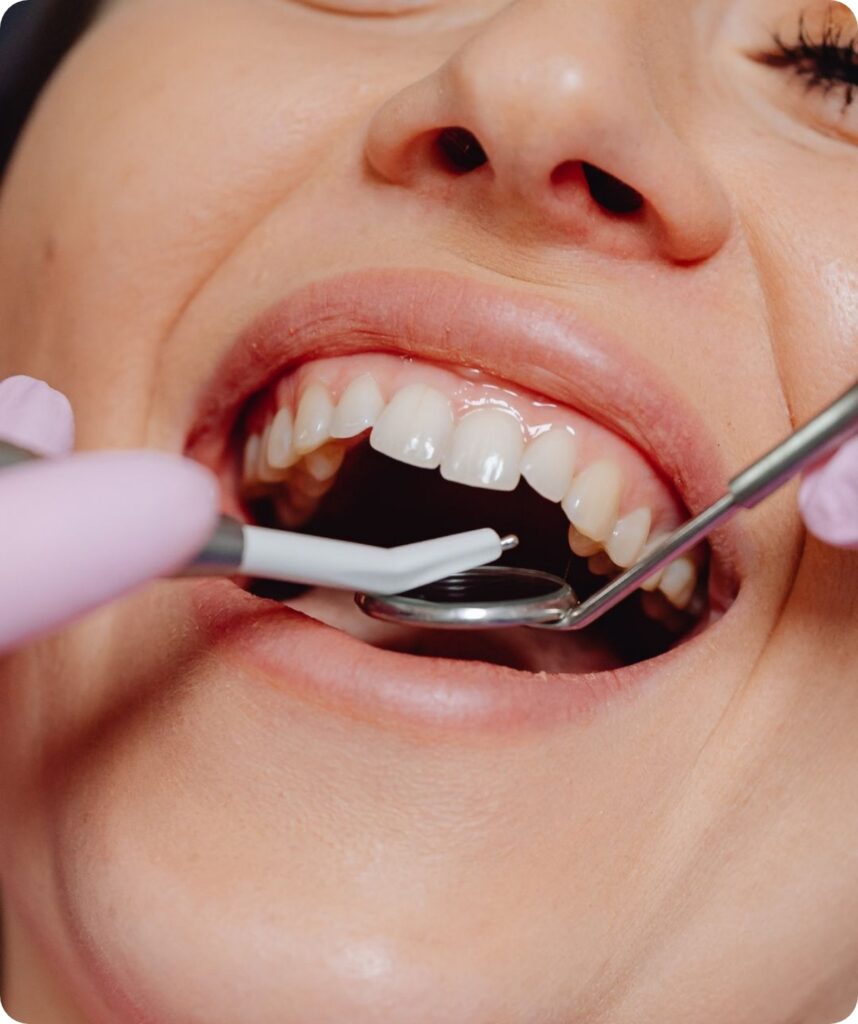
What Happens During a Professional Hygiene Visit
- Daily brushing and flossing are essential—but they cannot remove hardened plaque (calculus) once it forms below the gumline.
- Professional cleanings are necessary to remove these deposits and prevent inflammation that can lead to gum disease.
- Stain removal and polishing
- Digital radiographs when indicated
- Review of medical and dental history
- Examination of teeth, gums, and oral tissues
- Periodontal charting to evaluate gum health
- Removal of plaque and hardened calculus (tartar)
- Fluoride or desensitizing treatments when appropriate
Regular cleanings help
- Maintain fresh breath
- Support long-term oral health
- Preserve bone and tooth support
- Prevent cavities and gum disease
- Reduce inflammation and bleeding gums
Most patients benefit from cleanings every six months, though some may require more frequent visits depending on their gum health.
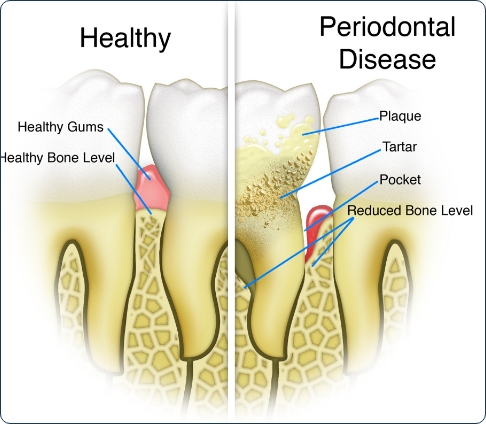
Gum Disease: Why Hygiene Is Critical
Gum disease often begins silently. Plaque and bacteria accumulate below the gumline, causing inflammation and infection that can destroy the supporting bone around the teeth. Without proper treatment, periodontal disease can lead to:
- Bone loss
- Tooth loss
- Gum recession
- Tooth mobility
- Increased risk for systemic health conditions
Scaling & Root Planning (SRP / deep cleaning)
- Bone loss is detected
- There is an active gum infection
- Periodontal pockets are present
- Gums bleed easily or are inflamed
- Prevent tooth loss
- Restore gum health
- Reduce pocket depths
- Stop the progression of gum disease
Caring for Sensitive Teeth
Some patients experience sensitivity following cleanings or periodontal therapy. This is often temporary and improves as inflammation decreases.
We may recommend:
- Fluoride treatments
- Desensitizing agents
- Specialized toothpaste or rinses
If sensitivity persists, our team will evaluate and adjust your care accordingly.
Hygiene Visits & Periodontal Maintenance
Oral health is not one-size-fits-all. The frequency of hygiene visits is based on your individual gum health, history of periodontal disease, and risk factors.
While many patients benefit from visits every six months, others may require more frequent care to maintain stability and prevent disease progression. Your dentist and hygienist will recommend a personalized hygiene recall schedule based on:
- Gum health and pocket depths
- Bleeding, inflammation, or bone loss
- History of periodontal disease or SRP
- Medical conditions that affect oral health
These maintenance visits play a critical role in controlling infection, preventing disease recurrence, and preserving the bone and tissues that support your teeth. Regular periodontal maintenance is not cosmetic—it is essential to long-term oral and overall health.
Periodontal Maintenance Is Different From a Routine Cleaning
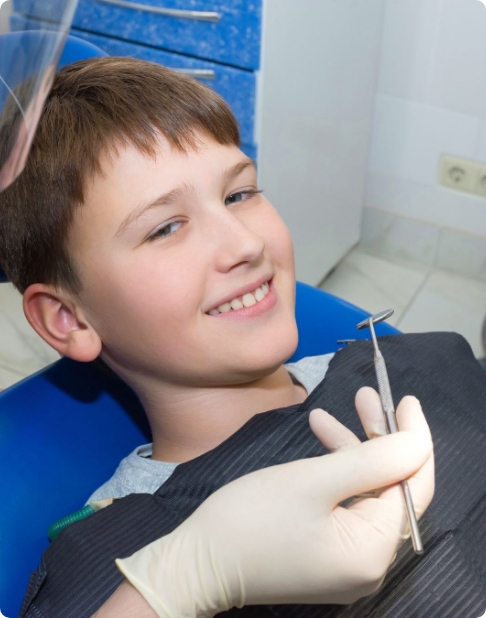
Oral Hygiene Care for Children & Teens (Ages 10+)
Healthy habits start early. For children and adolescents, professional hygiene visits are essential for monitoring gum health, preventing cavities, and establishing strong oral hygiene routines that last into adulthood.
Healthy habits start early. For children and adolescents, professional hygiene visits are essential for monitoring gum health, preventing cavities, and establishing strong oral hygiene routines that last into adulthood.
- Preventing cavities in hard-to-reach areas
- Identifying orthodontic-related hygiene challenges
- Monitoring gum development and early signs of inflammation
- Supporting overall oral health during growth and development
- Educating patients on proper brushing and flossing techniques
Your Partner in Preventive & Periodontal Care
Helpful Tips and Articles

BLOG
Your Guide to a Healthier Smile – in Simple and Easy steps
BLOG
The Importance of Regular Dental Checkups
BLOG
Two locations to serve you

Frequently Asked Questions
Do you accept dental insurance?
Yes, we accept many dental insurance plans. Our team can help you understand your benefits and estimate your out of pocket costs before treatment.