Digital Radiograph & Complete Oral Exam

Accurate imaging for a complete oral assessment.

Why get a Dental Exam?

Dental exams give us the opportunity to evaluate your current methods of dental care and provide suggestions for future care in order to protect you from complications such as cavities and gum disease. They also allow us to detect problems early so they can be fixed quickly and easily.

How often should I get my Exam?

Dental exams should generally take place every six months. However, consult with our team to decide how often you should be examined, for we may suggest that you visit more frequently based on factors such as smoking, frequency of cavities and genetic susceptibility to tooth and root decay as well as gum disease.

What can I expect from a Dental Exam?

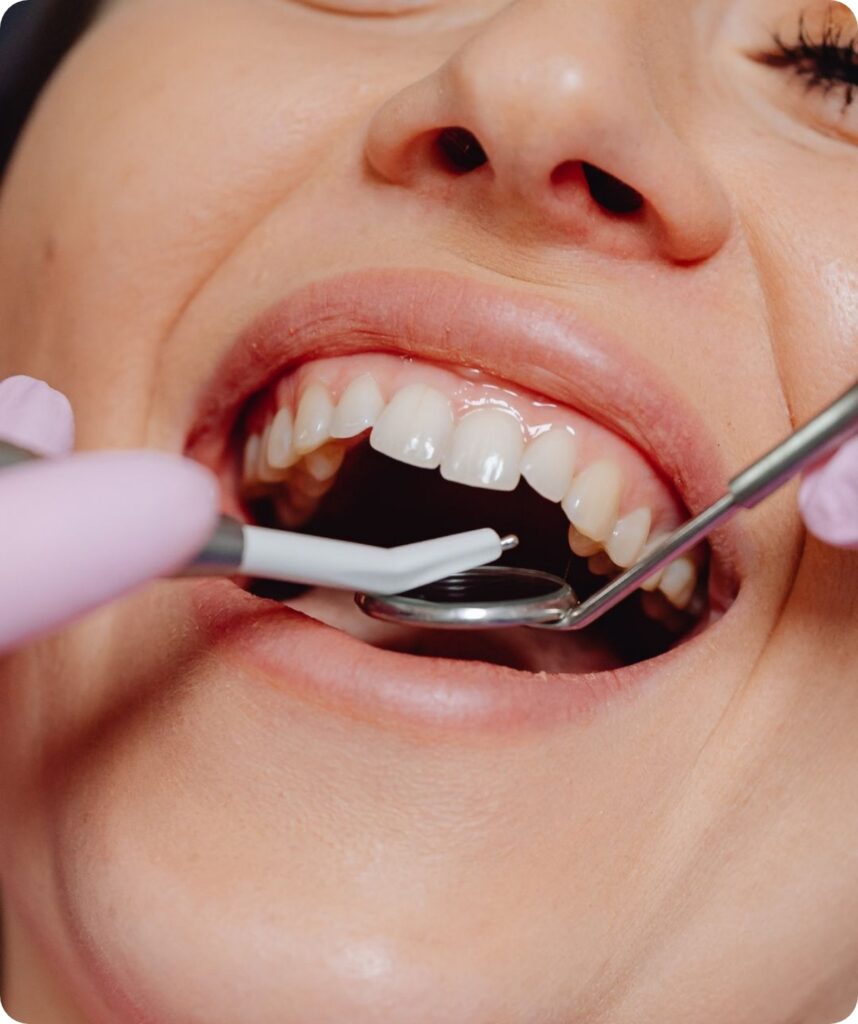
During a dental exam, our dentist will carefully evaluate your teeth, gums, bite, and overall oral health. We check for signs of tooth decay, gum disease, wear, infection, or other concerns that may not be visible without a thorough examination. We’ll review your medical and dental history, discuss any symptoms or concerns you may have, and answer your questions. If needed, diagnostic imaging may be recommended to help us better understand your oral health and plan appropriate care. Our goal is to provide a clear understanding of your current condition and discuss options—so you can make informed decisions with confidence.

How can I prepare for the Dental Exam?

There’s very little you need to do to prepare for a dental exam. Arrive a few minutes early and be ready to share relevant information such as your medical history, insurance details, and any concerns you’d like to discuss. If you have recent dental records or X-rays from another provider, feel free to bring them with you. Our goal is to understand your needs, answer your questions, and help you feel comfortable throughout your visit.

Diagnostic Imaging Used During Your Exam

As part of a complete oral evaluation, diagnostic imaging helps us understand what’s happening beneath the surface of your teeth and gums. The type of imaging recommended depends on your individual needs and clinical findings.

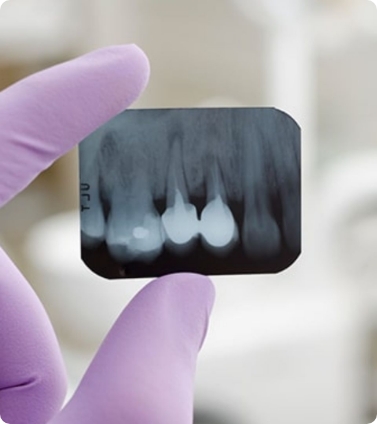
Digital X-Rays (FMX – Full Mouth Series)

A full set of digital X-rays allows us to evaluate the health of your teeth, bone, and supporting structures. This imaging helps identify concerns such as decay, infection, bone levels, and other conditions that may not be visible during a visual exam alone.

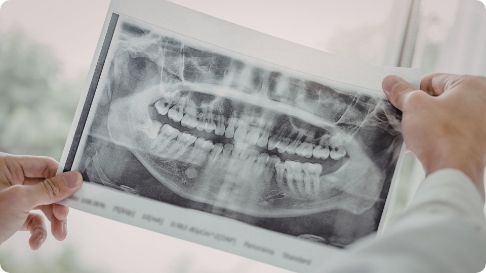
Panoramic X-Ray (PANO)

A panoramic X-ray provides a broad, single image of your entire mouth, including the teeth, jaws, sinuses, and surrounding structures. This image is commonly taken during new patient exams and helps us assess overall oral health and identify areas that may require closer evaluation.

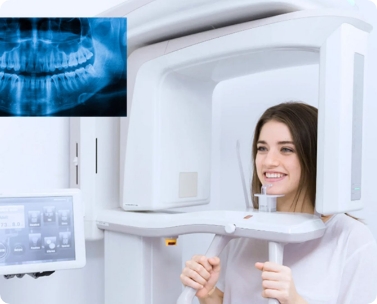
Cone Beam CT Scan (CBCT)

A CBCT scan creates a three-dimensional image that provides detailed information about bone structure, tooth positioning, and anatomy. This type of imaging is typically recommended for patients undergoing root canal treatment or dental implant planning, where precise measurements and visualization are important for safe and accurate care.

Our Thoughtful Approach to Imaging

We recommend diagnostic imaging only when it supports accurate evaluation and treatment planning. Our goal is to gather the information needed to help you understand your oral health and discuss appropriate options—clearly, thoughtfully, and without unnecessary testing.
If you have questions about any imaging recommended during your visit, our team is always happy to explain what it shows and why it may be helpful.

Radiation Safety & Diagnostic Imaging

We understand that many patients have concerns about radiation exposure from dental imaging. At North Coast Dentists, your safety is always our priority.

Modern digital X-rays and CBCT imaging use very low levels of radiation and are designed to minimize exposure while providing important diagnostic information. When imaging is recommended, it is because it supports accurate evaluation and thoughtful treatment planning.

We follow current safety guidelines and recommend diagnostic imaging only when it is clinically appropriate. If you have questions or concerns, we are always happy to explain why a particular image is recommended and how it helps us care for your oral health.

For verified, clear information on
X-ray safety and radiation exposure, visit:

For verified, clear information on X-ray safety and radiation exposure, visit:

RadiologyInfo.org — Radiation Dose Comparisons, https://www.radiologyinfo.org/en/info/safety-xray

Helpful Tips and Articles

BLOG

Your Guide to a Healthier Smile – in Simple and Easy steps

BLOG

The Importance of Regular Dental Checkups
BLOG

Common Dental Myths — What’s True and What’s Not

Request An Appointment

Fill out the form below, and we’ll contact you shortly. 

McKinleyville Office​

1737 Central Avenue, McKinleyville,
CA 95519
Phone: (707) 839-3262
Fax: (707) 839-3275
Email: infomck@northcoastdentists.com

Office hours: Mon – Sat, 8 AM – 5 PM,
Sunday closed

Frequently Asked Questions

Yes, we accept many dental insurance plans. Our team can help you understand your benefits and estimate your out of pocket costs before treatment.

We begin with a detailed exam and take time to understand your concerns, goals, and oral health needs. Then we explain your options clearly so you can feel confident about your care.
We do our best to accommodate same day appointments whenever possible, especially for urgent dental concerns. Please call our Eureka or McKinleyville office to check availability.
Your first visit usually includes a comprehensive exam, digital X rays if needed, and a conversation about your dental history and goals. We will make sure you feel informed and comfortable throughout.
Root canal therapy is designed to relieve pain, not cause it. With modern techniques and local anesthesia, most patients find the procedure much more comfortable than expected.
A dental crown may be recommended when a tooth is weakened, cracked, heavily filled, or restored after a root canal. It helps protect the tooth while restoring its strength and appearance.
Dental implants are a reliable, long term option for replacing missing teeth. We will evaluate your oral health, bone support, and goals to see if implants are the right fit for you.