Oral Hygiene

Maintain strong teeth and healthy gums with regular, expert oral hygiene care

Oral Hygiene Is More Than “Just a Cleaning”

Dental hygiene refers to the practice of keeping your mouth, teeth, and gums clean and healthy to prevent disease. Dental hygiene and oral health is often taken for granted but are essential parts of our everyday lives.

Maintaining your teeth is not just about looking good. Poor dental hygiene can lead to problems that are much bigger than an unpleasant smile. Tooth decay and gum disease can affect other parts of your body, including your heart.

Our hygiene unit comprise of Dental hygienist who are health professionals and experts when it comes to the health of your oral health and gums

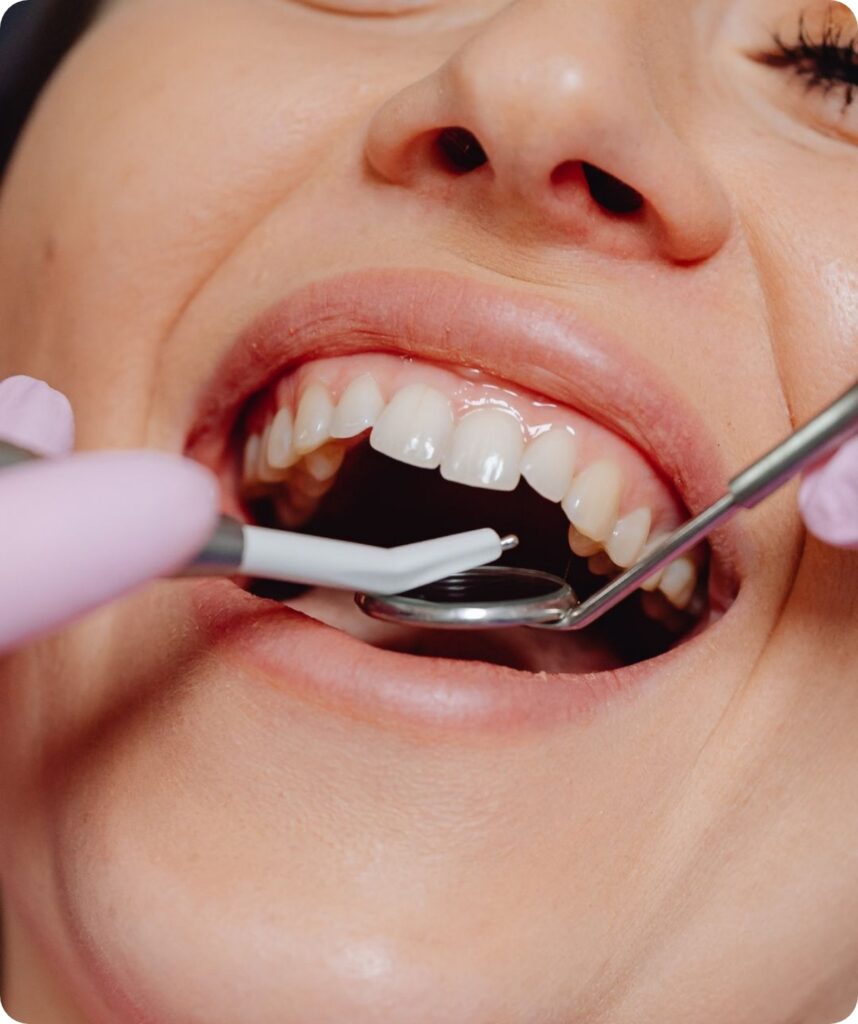
Your visit to the Hygiene unit will involve the following services:

  • Examination of oral tissues and recognition of abnormalities.
  • Charting of Periodontal pockets to recognize and evaluate gum disease.
  • Assessment of oral health conditions, review of the patient’s health history and dental charting
  • Taking bitewing radiographs for recognizing dental caries or other abnormalities.
  • Application of a fluoride solution to help prevent caries in high-risk patients.
  • Application of a desensitizing agent to prevent minor enamel sensitivity.

Professional Cleaning

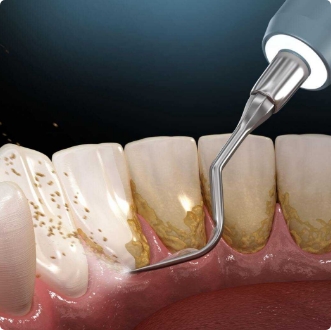
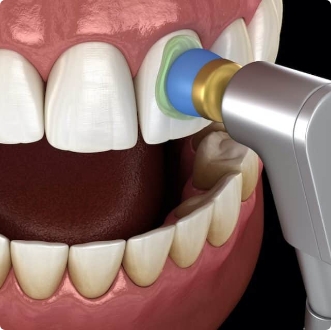
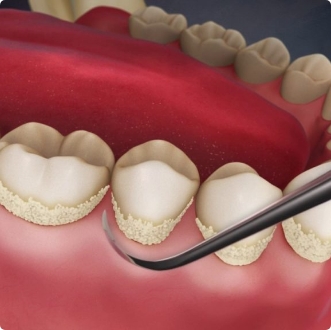
Daily brushing and flossing will keep dental calculus to a minimum, but a professional cleaning will remove calculus in places your toothbrush and floss have missed. Your visit to our office is an important part of your program to prevent gum disease to help keep your teeth for your lifetime.

In most cases, we recommend that patients receive their “cleaning” once every six months. Regular cleanings are great for preventing cavities, caries, and various types of oral diseases. Even more, regular dental cleanings will keep your teeth and gums healthy and clean. Regular cleanings also help patients reduce bacteria that cause inflammation and heightens the functionality of blood vessels to ensure the proper flow of blood.

Importance Of Flossing

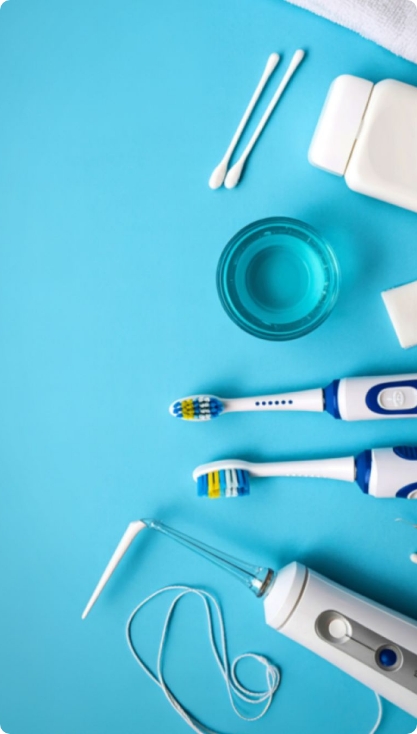
Periodontal disease usually appears between the teeth where your toothbrush cannot reach. Flossing is a highly effective way to remove plaque from those surfaces.
Fluoride toothpastes and mouth rinses, if used in conjunction with brushing and flossing, can reduce tooth decay as much as 40%. Remember, these rinses are not recommended for children under six years of age.

Caring for Sensitive Teeth

Sometimes after dental treatment, teeth are sensitive to hot and cold. This should not last long, but only if the mouth is kept clean. If this mouth is not kept clean the sensitivity will remain and could become more severe. If your teeth are especially sensitive, call us to consult with the doctor. They may recommend a medicated toothpaste for mouth rinse made especially for sensitive teeth.

Helpful Tips and Articles

BLOG

Your Guide to a Healthier Smile – in Simple and Easy steps

BLOG

The Importance of Regular Dental Checkups

BLOG

Common Dental Myths — What’s True and What’s Not

Request An Appointment

Fill out the form below, and we’ll contact you shortly. 

McKinleyville Office​

1737 Central Avenue, McKinleyville,
CA 95519
Phone: (707) 839-3262
Fax: (707) 839-3275
Email: infomck@northcoastdentists.com

Office hours: Mon – Sat, 8 AM – 5 PM,
Sunday closed

Frequently Asked Questions

Yes, we accept many dental insurance plans. Our team can help you understand your benefits and estimate your out of pocket costs before treatment.

We begin with a detailed exam and take time to understand your concerns, goals, and oral health needs. Then we explain your options clearly so you can feel confident about your care.
We do our best to accommodate same day appointments whenever possible, especially for urgent dental concerns. Please call our Eureka or McKinleyville office to check availability.
Your first visit usually includes a comprehensive exam, digital X rays if needed, and a conversation about your dental history and goals. We will make sure you feel informed and comfortable throughout.
Root canal therapy is designed to relieve pain, not cause it. With modern techniques and local anesthesia, most patients find the procedure much more comfortable than expected.
A dental crown may be recommended when a tooth is weakened, cracked, heavily filled, or restored after a root canal. It helps protect the tooth while restoring its strength and appearance.
Dental implants are a reliable, long term option for replacing missing teeth. We will evaluate your oral health, bone support, and goals to see if implants are the right fit for you.